|
Confidential
Best viewed on desktop

Breeze processes billions.
The website doesn't close.

This document is a diagnosis, a competitive analysis, and a proposal. It is also a demonstration of what happens when human creative directors and AI agents work in concert — researching, designing, and building at a pace traditional agencies cannot match.

Read time: ~8 minutes.

I. The Market
Nobody owns the intersection.

The merchant-of-record space is fracturing along a predictable axis. On one side: payment infrastructure companies — Paddle, FastSpring, Lemon Squeezy — who understand compliance, tax, and chargeback management but have zero vertical expertise in gaming. On the other: gaming-native platforms like Xsolla, who understand the player but whose reputation has become, to put it diplomatically, contested.

Breeze sits in the only quadrant that matters: deep gaming expertise and institutional-grade payment infrastructure. The founding team — Millie Yang (ex-Stripe, ex-DoorDash, Kleiner Perkins) and Peng Du (led Stripe's APAC card network expansion) — have the credibility to own this position. Sequoia's Arc Program validates the thesis. Stake.us validates the execution.

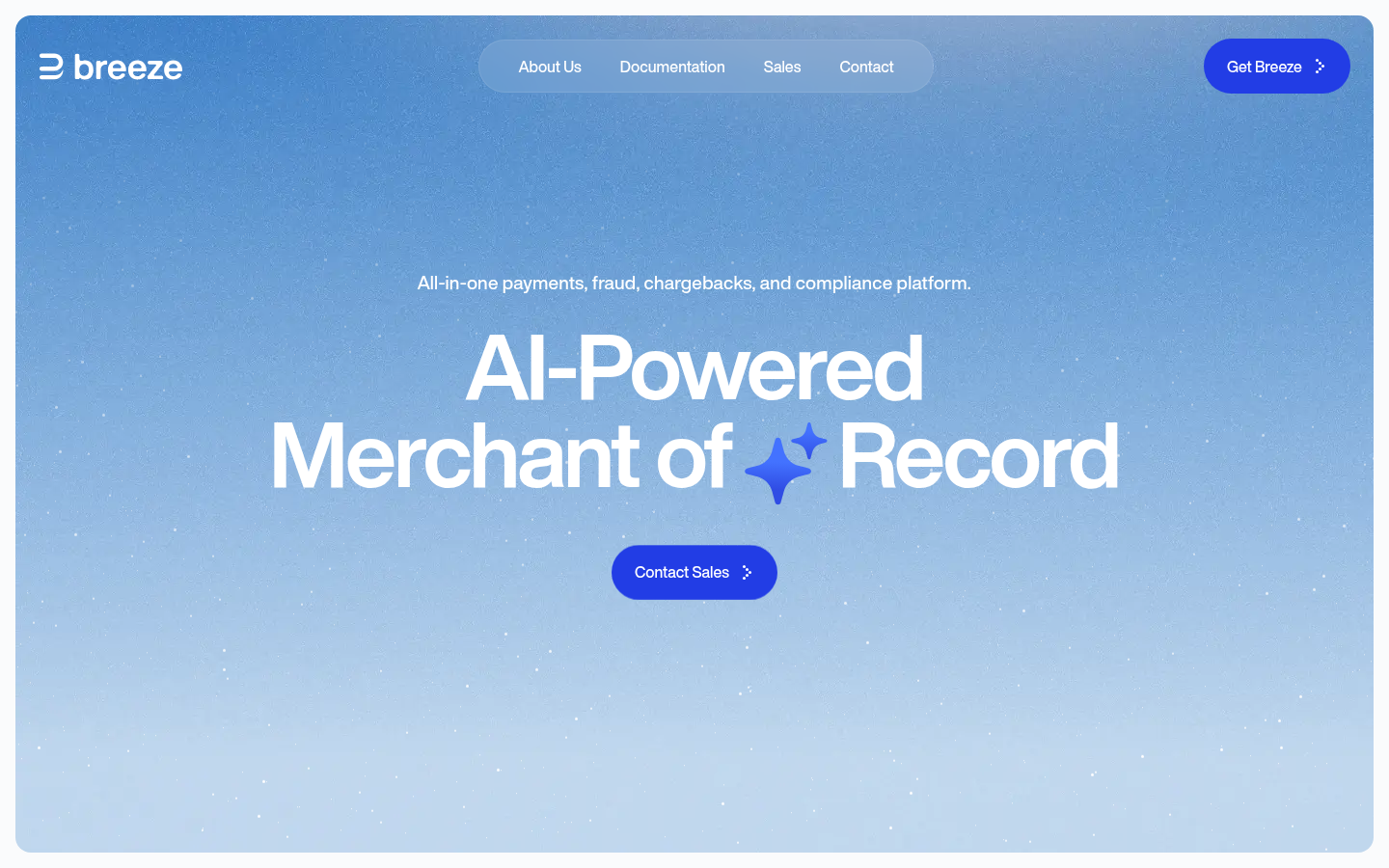
The problem is that none of this is visible on breeze.com.

3/10
Current site score
$50M
EBITDA
1
Player in the top-right quadrant
II. The Diagnosis
The site is working against the business.

We audited breeze.com across eight dimensions. The findings are uncomfortable but necessary.

The site contains approximately ~1,700 characters of readable content — barely enough for a product description, let alone a platform processing billions in transactions. There are zero supporting claims on the homepage, zero content pages for SEO, and no structured data for search engines to index.

Trust signals — Sequoia backing, SOC 2 compliance, enterprise client logos — exist somewhere in the company's story but are either buried in JavaScript or absent entirely. There is no mobile optimization for the primary device enterprise buyers use during initial research. And critically: when enterprise buyers ask AI assistants about gaming payment processors, Breeze surfaces in zero AI citations.

The competitive positioning is clear. The product is proven. The website is the bottleneck.
Critical / SEO
Invisible to Google
~1,700 chars
Critical / Trust
No proof of credibility
0 claims
Critical / Content
No content strategy
0 pages
Warning / Schema
Not crawlable
No schema
Warning / Social
No visible clients
0 logos
Warning / Mobile
Not optimized
No responsive
Warning / AI
Invisible to AI search
0 citations
Warning / Credibility
Trust buried in JS
Not visible
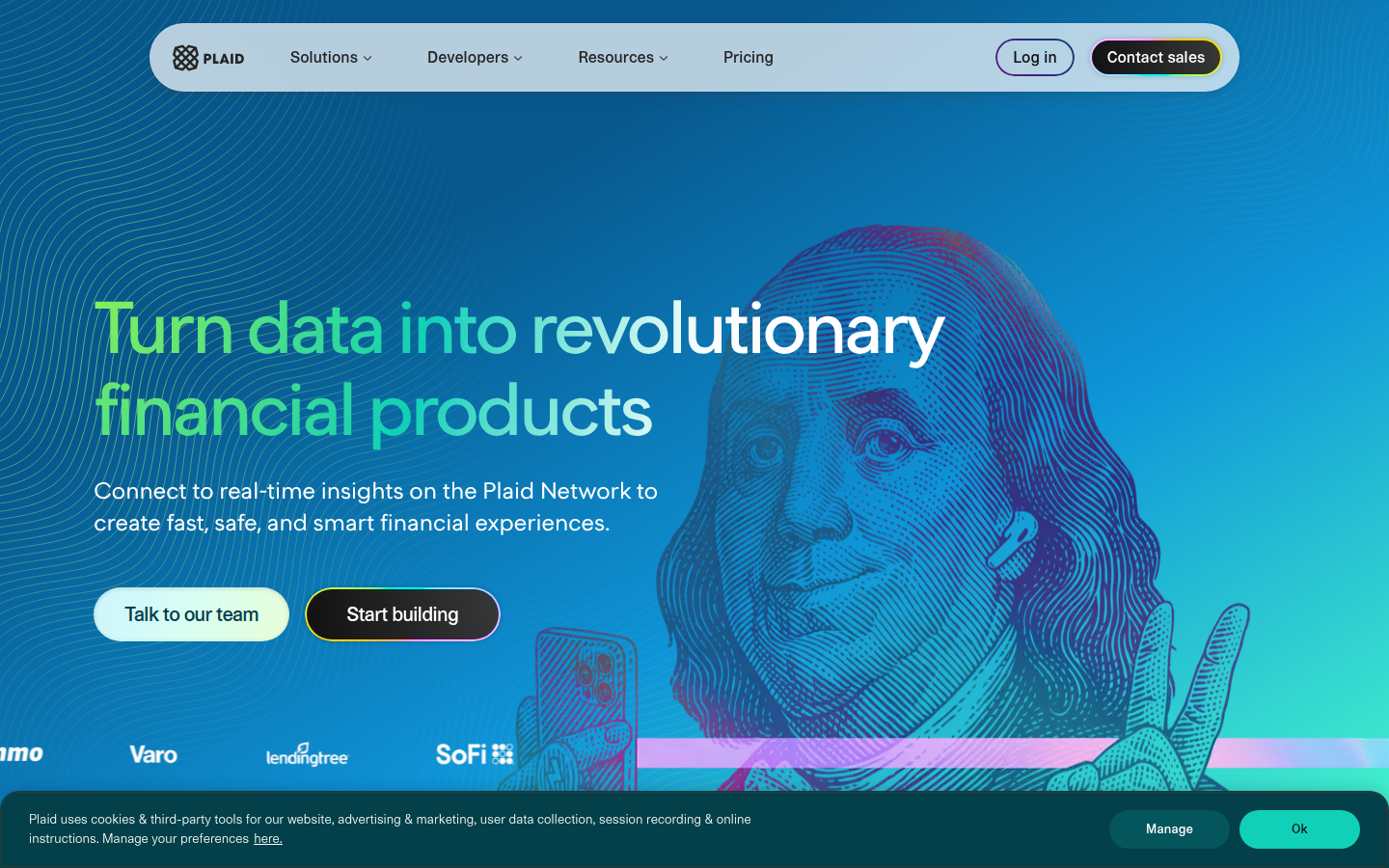
← Breeze.com todayPlaid.com (the benchmark) →
Breeze
Plaid
Scroll to compare
III. The Work
We don't pitch concepts. We ship systems.

Before proposing what we'd build for Breeze, here is what we've already built. Two complete design systems we've shipped and deployed as custom Next.js builds. Each with its own palette, typography, and emotional register.

Proxima Health
Proxima Health
Clinical precision meets modern wellness
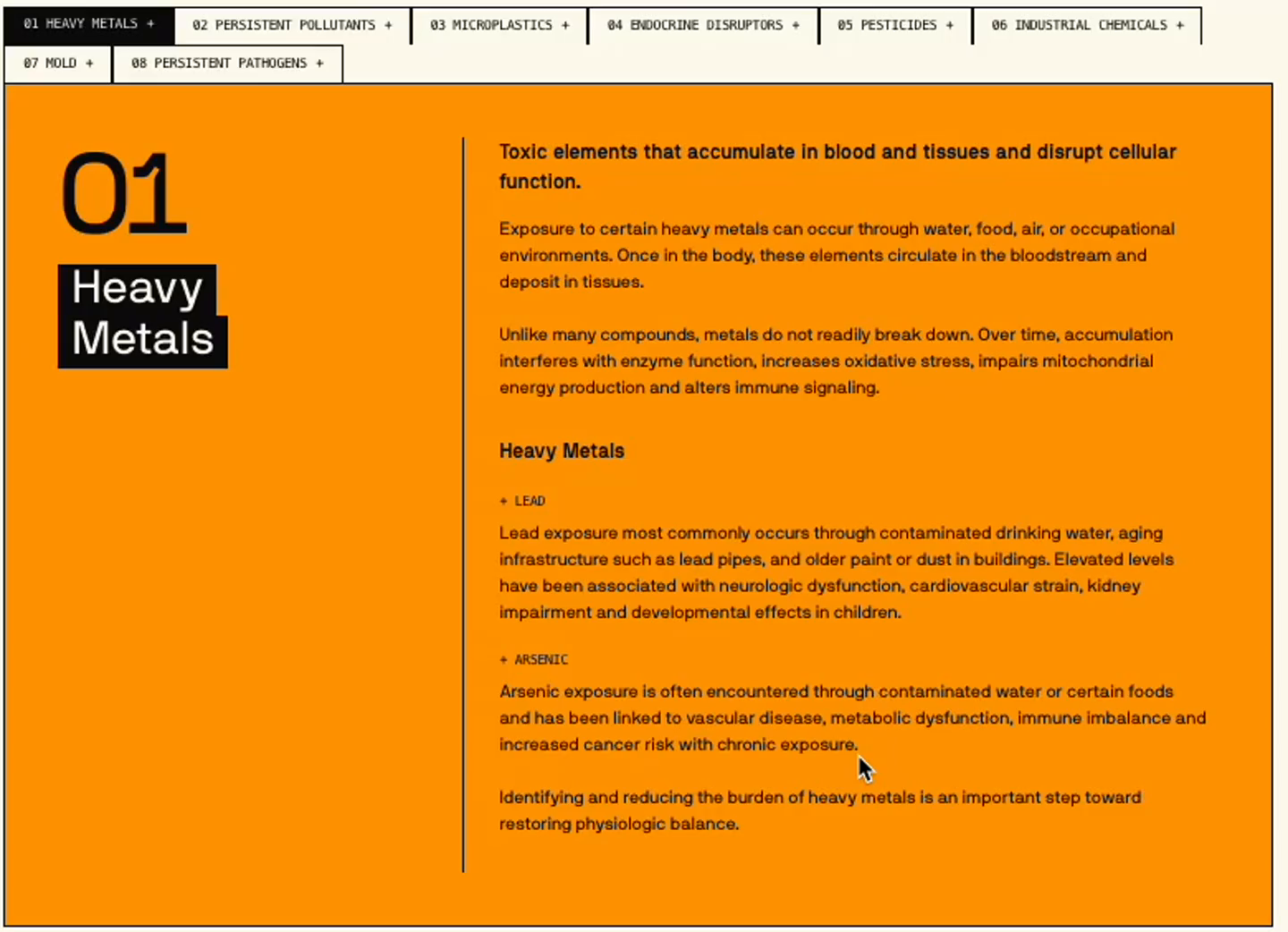
The Science
The Science
Tabbed wiki with animated transitions
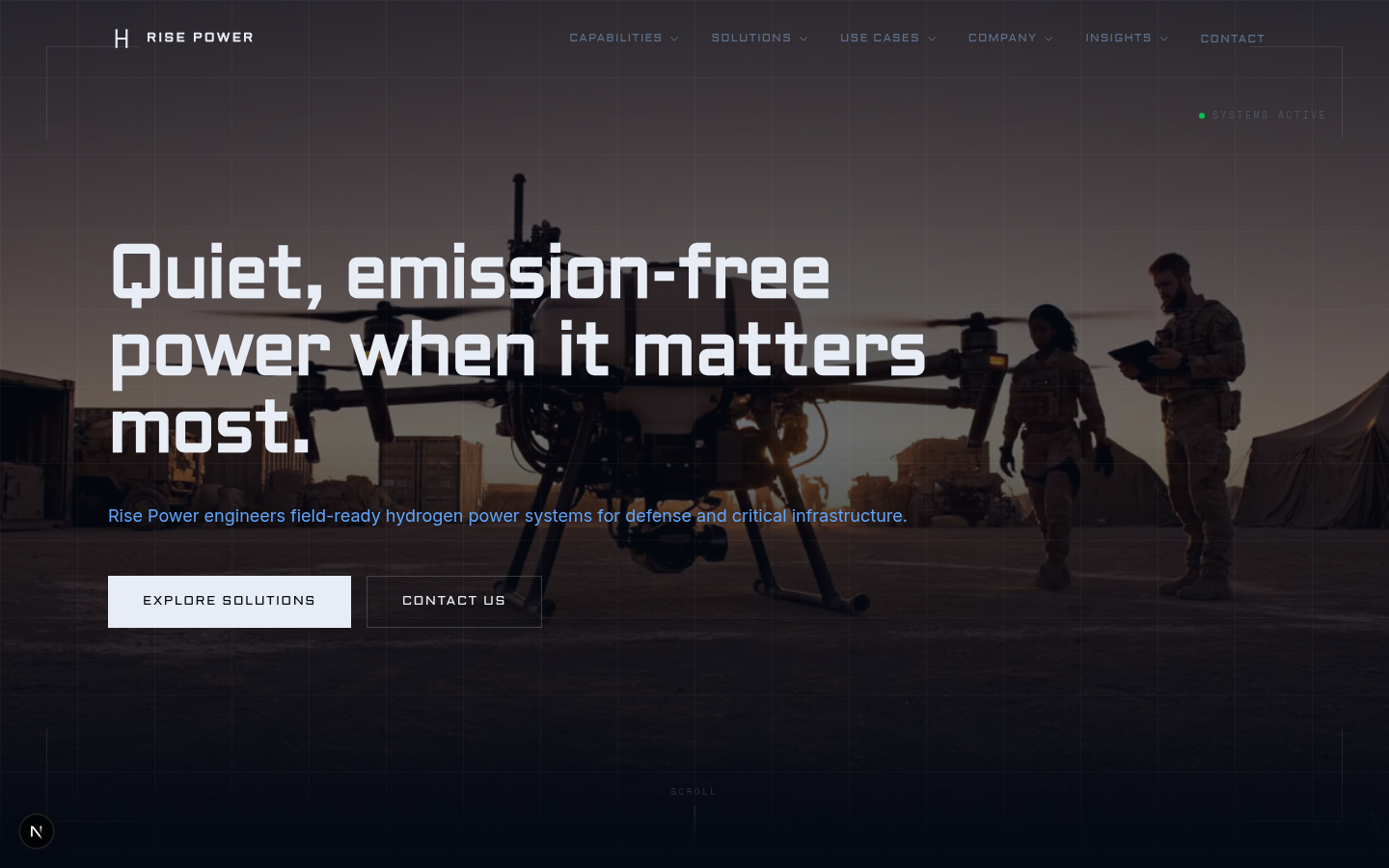
Rise Power
Rise Power
Quiet, emission-free power
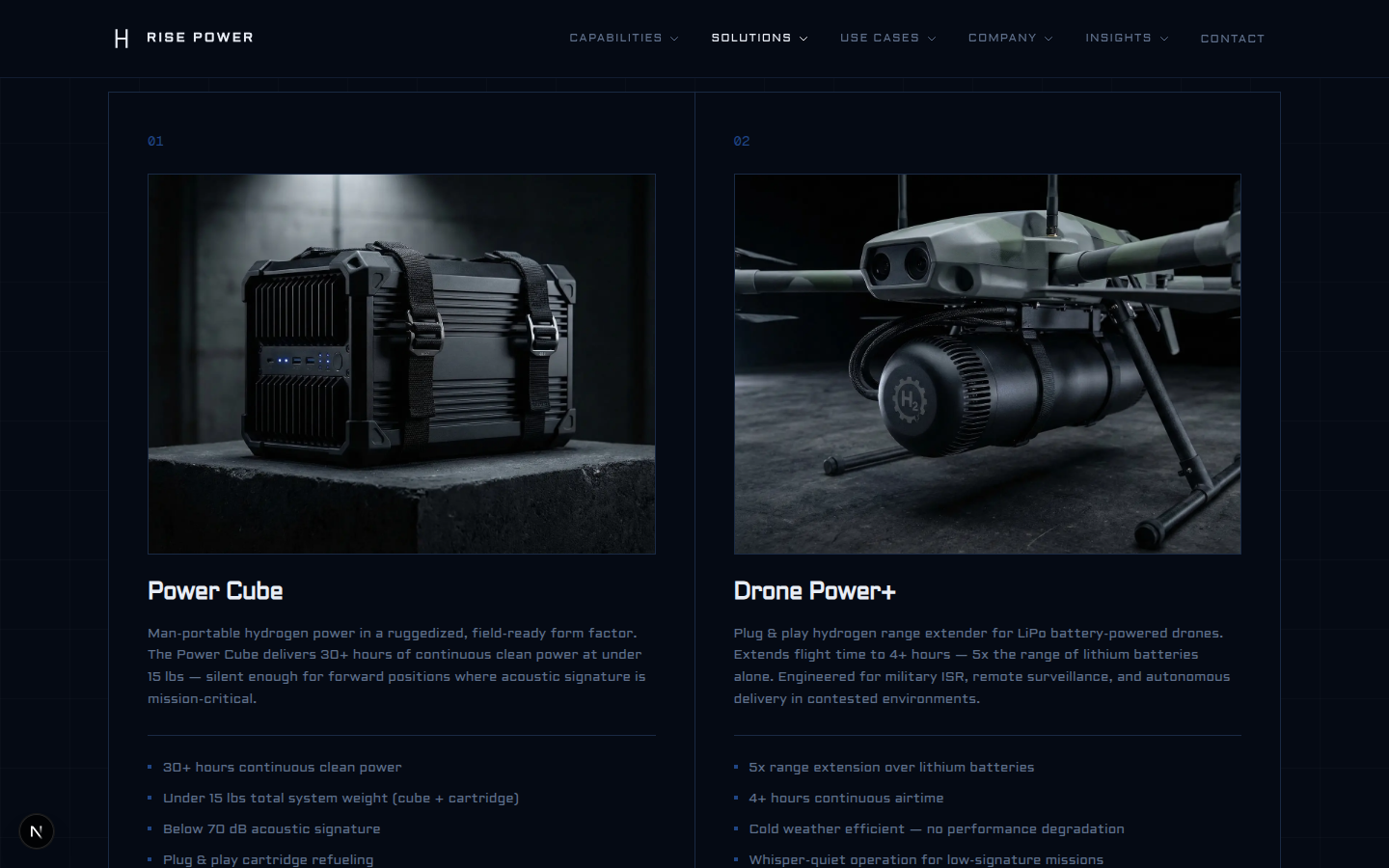
Solutions
Solutions
Portable power for defense
IV. Where We Take You
Four directions. Rotating live.

Each direction below represents a complete design system — palette, typography, component language, and mood — that could define Breeze's next chapter.

CLEAN FINTECH
"Institutional precision. Every pixel earns trust."
Display Font
Body Font
Concept
Mood
Prototype Feedback
M
Love the hero. Darker blue?
2:34 PM
S
Updated. Refresh.
2:35 PM
M
Ship it.
2:36 PM
V. Who We Are
Working in concert.

Studio 1299 is a new kind of design studio. Human creative directors and AI agents working together — researching, designing, building, and deploying brand experiences for the modern stack. We deliver better product, faster, because we've rebuilt the process from the ground up.

The Humans
M
Matt Goulet
Creative Director & UI/UX
S
Steve O'Brien
Business & Brand
B
Braeden Norman
Head of Engineering
C
Christopher Fong
Front End & QA
M
Montana Yorke
Customer Care
The Agents
Sally
Sally
Visual Direction & Art Direction
Felicity
Felicity
Research & Competitive Intelligence
Clarence
Clarence
Backend Engineering & Infrastructure
Ralph
Ralph
Frontend Engineering & Build
Carter
Carter
Diagnostics, Monitoring & QA
VI. The Process
Four weeks to launch. Six months of partnership.
Week 1
Discovery
Structured intake with leadership, marketing, and product. Analytics audit. Competitive UX teardowns. Dogfooding positioning concepts with your marketing team.
→ Discovery brief + positioning candidates
Week 2
Design
Palette, typography, responsive hierarchy. UI/UX component language. Information architecture — site map, user flows, conversion funnels per buyer persona.
→ Brand direction deck + design system + IA document
Week 3
Prototype
Front-end prototype with real content. Real-time feedback chat built directly in. Full responsive. Micro-interactions. Accessibility audit. Your team uses it as if it's the real site.
→ Live interactive prototype + feedback log
Week 4
Ship
Production build. CTA infrastructure. Analytics. SEO foundation — schema, sitemap, Core Web Vitals 95+. A/B testing framework. QA across browsers and devices.
→ Production-ready website deployed
Months 2–7
Evolve
Five hours per week. Continuous UI/UX refinement. Monthly conversion reviews. A/B testing. SEO expansion. Agentic search monitoring — Perplexity, ChatGPT, Gemini. Quarterly UX audits.
→ Monthly performance report + continuous evolution

Deliverables include: logo system, complete design system, brand guidelines, production website, CTA infrastructure, analytics dashboard, five strategic SEO landing pages, LLM-optimized content architecture, and a six-month active partnership at five hours per week.

The site should close
like the product does.

hello@studio1299.com