This document is a diagnosis, a competitive analysis, and a proposal. It is also a demonstration of what happens when human creative directors and AI agents work in concert — researching, designing, and building at a pace traditional agencies cannot match.
Read time: ~8 minutes.
The merchant-of-record space is fracturing along a predictable axis. On one side: payment infrastructure companies — Paddle, FastSpring, Lemon Squeezy — who understand compliance, tax, and chargeback management but have zero vertical expertise in gaming. On the other: gaming-native platforms like Xsolla, who understand the player but whose reputation has become, to put it diplomatically, contested.
Breeze sits in the only quadrant that matters: deep gaming expertise and institutional-grade payment infrastructure. The founding team — Millie Yang (ex-Stripe, ex-DoorDash, Kleiner Perkins) and Peng Du (led Stripe's APAC card network expansion) — have the credibility to own this position. Sequoia's Arc Program validates the thesis. Stake.us validates the execution.
The problem is that none of this is visible on breeze.com.
We audited breeze.com across eight dimensions. The findings are uncomfortable but necessary.
The site contains approximately ~1,700 characters of readable content — barely enough for a product description, let alone a platform processing billions in transactions. There are zero supporting claims on the homepage, zero content pages for SEO, and no structured data for search engines to index.
Trust signals — Sequoia backing, SOC 2 compliance, enterprise client logos — exist somewhere in the company's story but are either buried in JavaScript or absent entirely. There is no mobile optimization for the primary device enterprise buyers use during initial research. And critically: when enterprise buyers ask AI assistants about gaming payment processors, Breeze surfaces in zero AI citations.
The competitive positioning is clear. The product is proven. The website is the bottleneck.
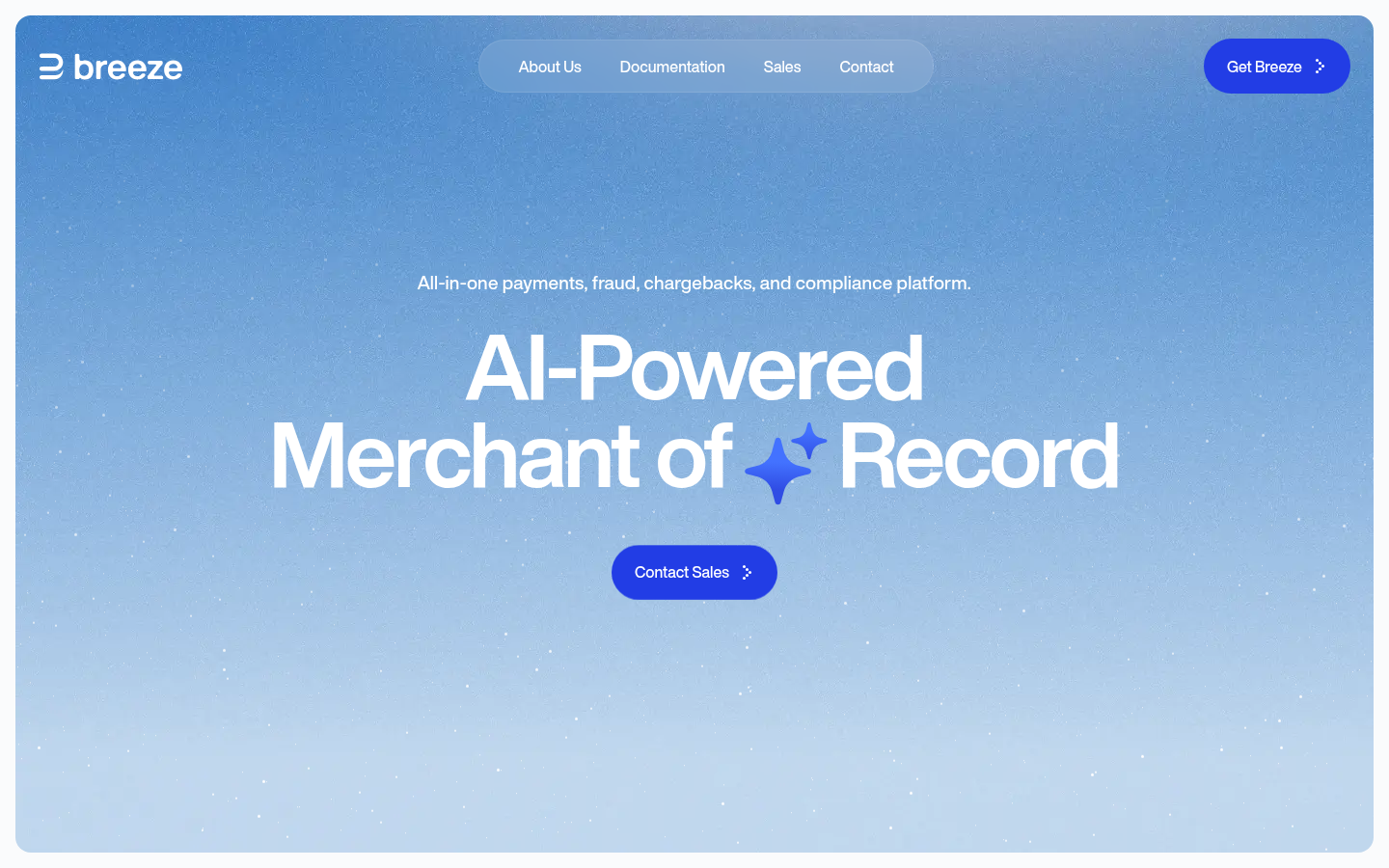
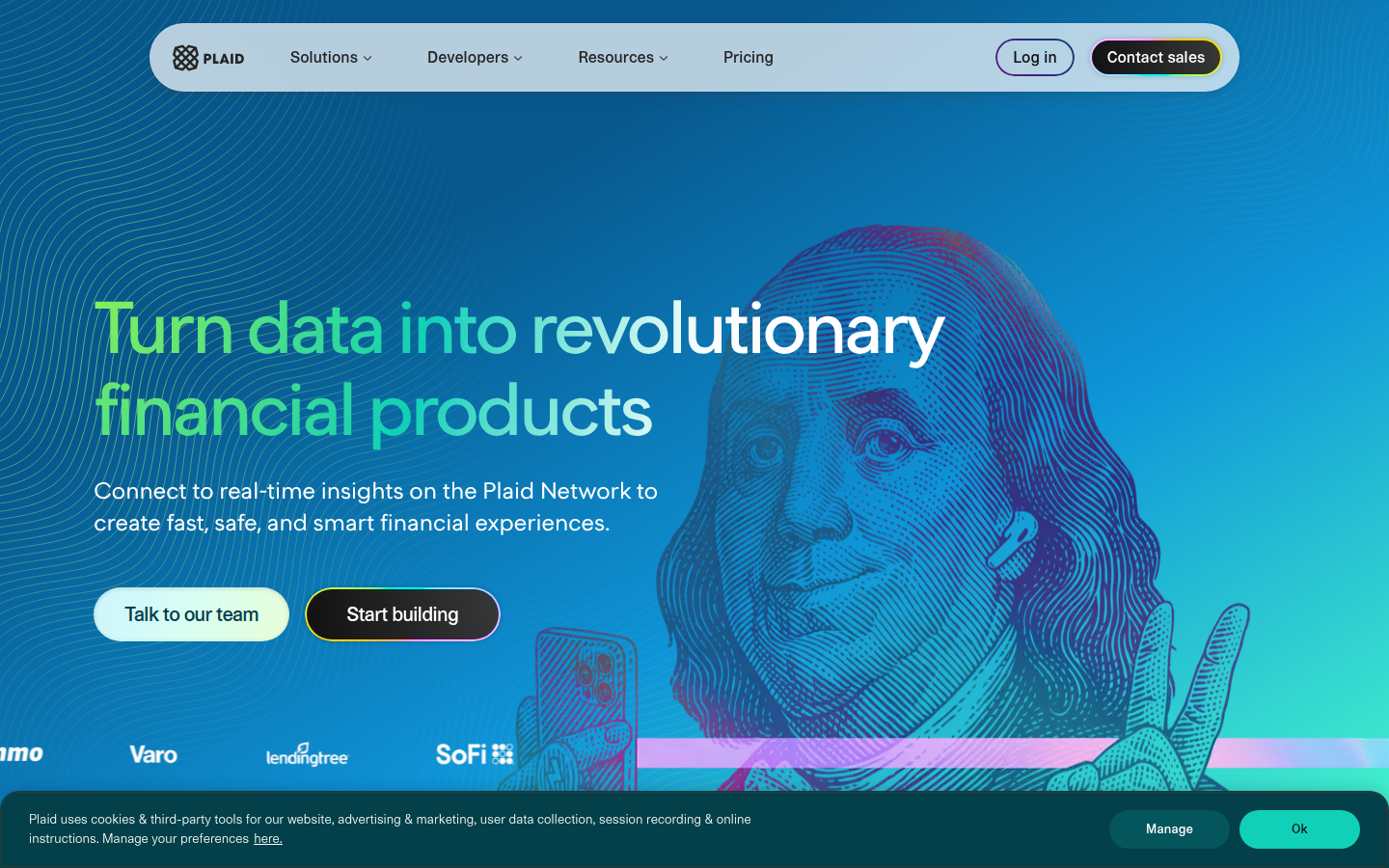
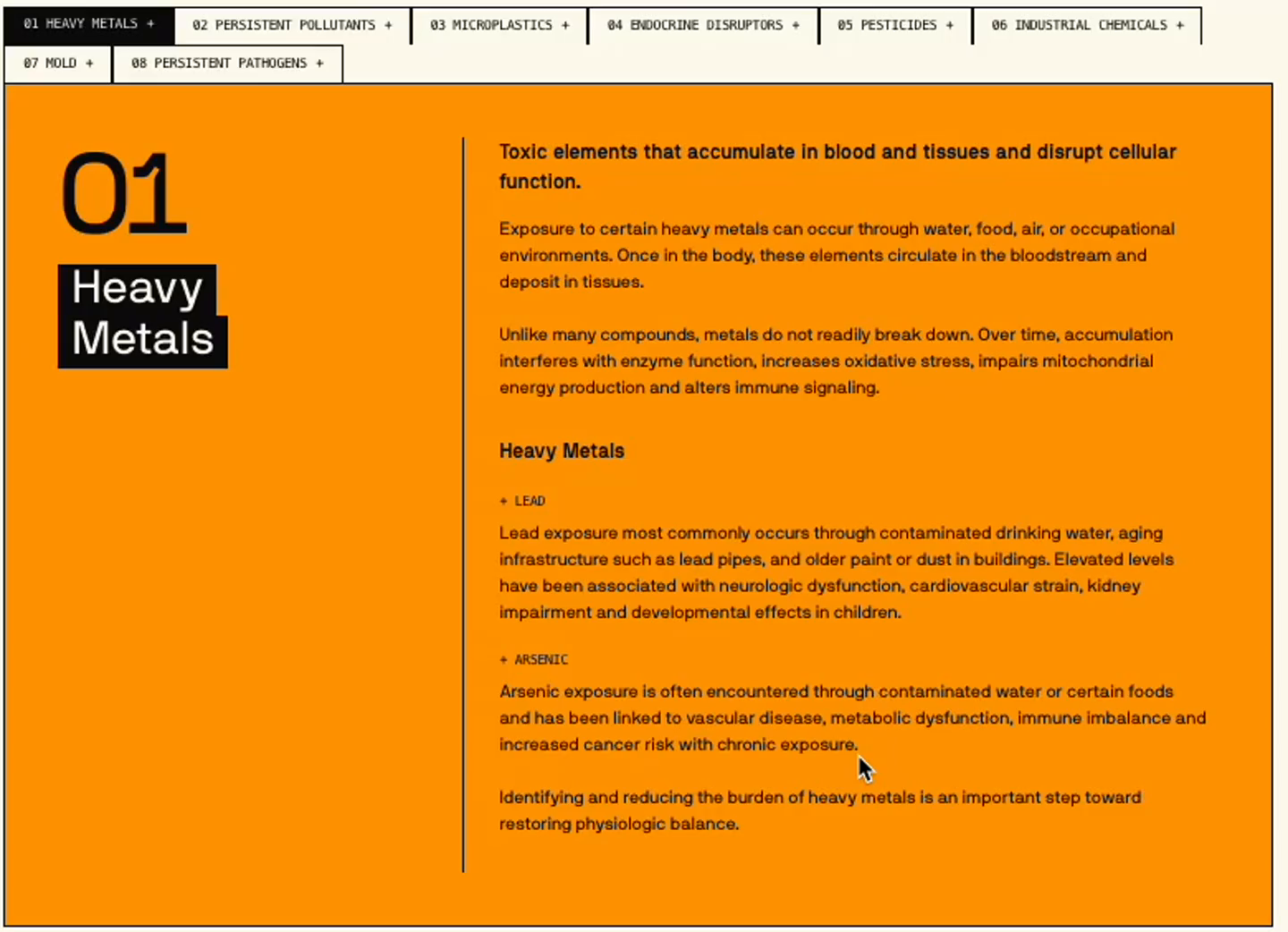
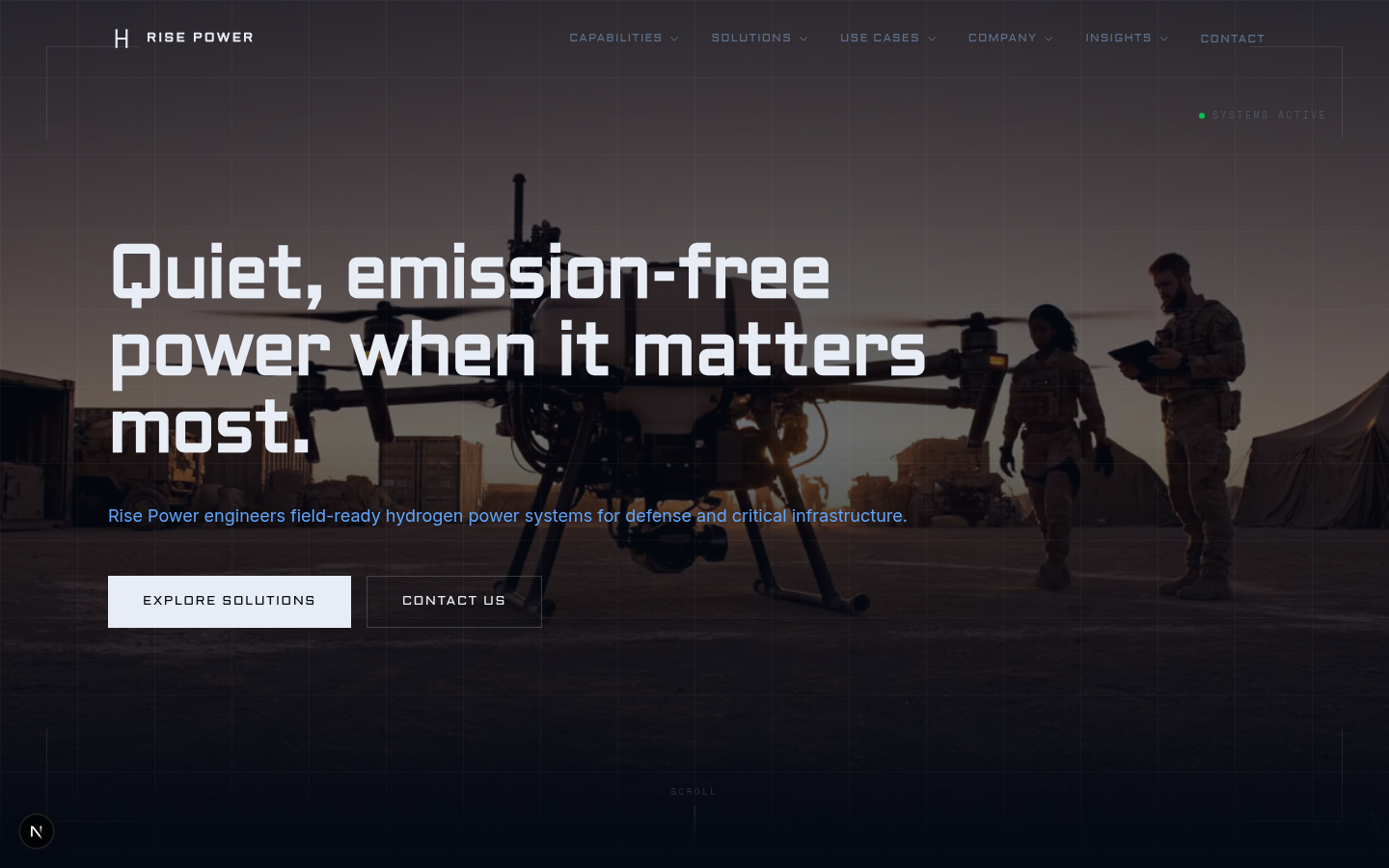
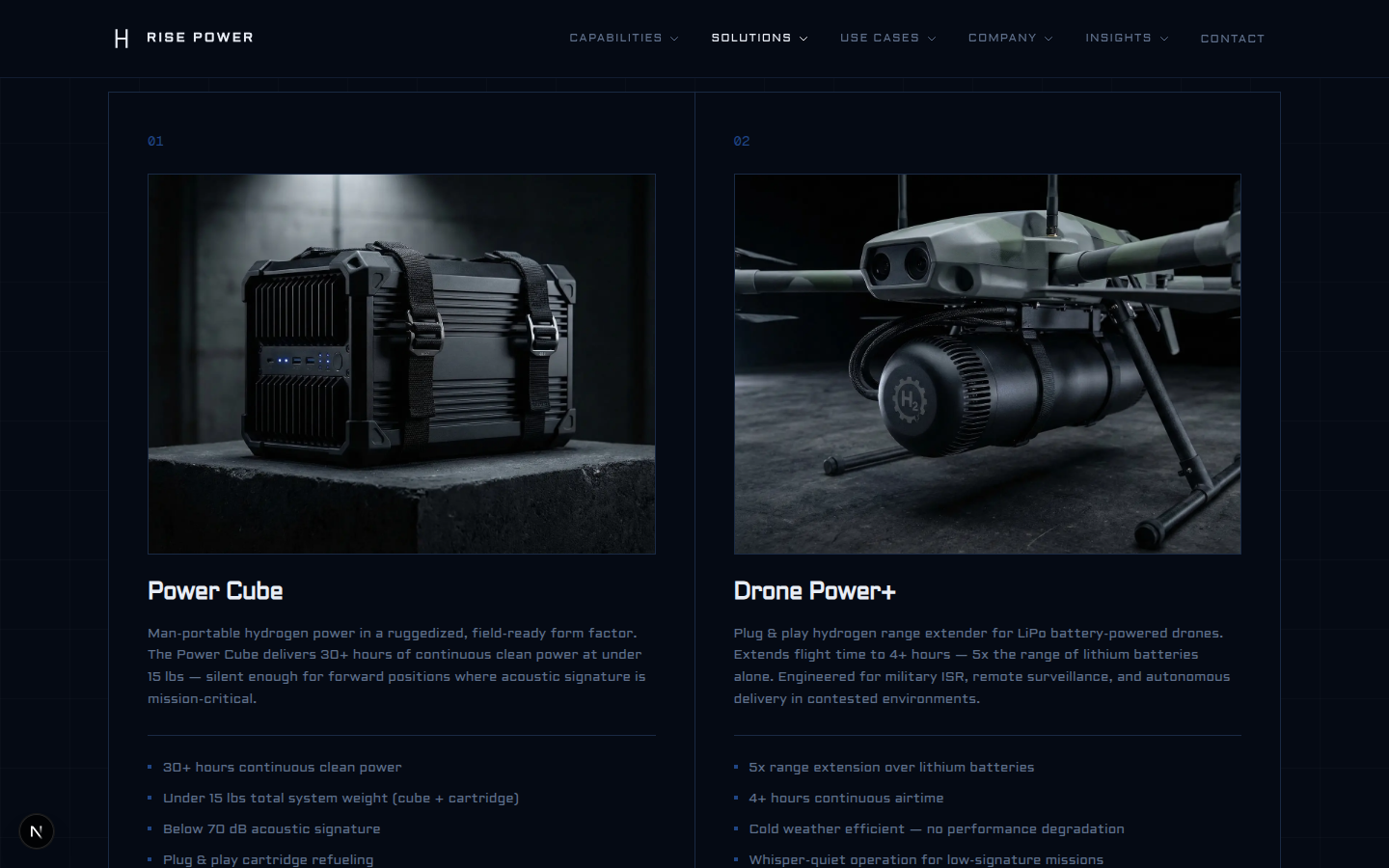
Before proposing what we'd build for Breeze, here is what we've already built. Two complete design systems we've shipped and deployed as custom Next.js builds. Each with its own palette, typography, and emotional register.


Each direction below represents a complete design system — palette, typography, component language, and mood — that could define Breeze's next chapter.
Studio 1299 is a new kind of design studio. Human creative directors and AI agents working together — researching, designing, building, and deploying brand experiences for the modern stack. We deliver better product, faster, because we've rebuilt the process from the ground up.
Deliverables include: logo system, complete design system, brand guidelines, production website, CTA infrastructure, analytics dashboard, five strategic SEO landing pages, LLM-optimized content architecture, and a six-month active partnership at five hours per week.